Choline is a biologically essential compound classified as a quaternary ammonium alcohol. It plays a critical role in cellular function, particularly in the synthesis of phospholipids (e.g., phosphatidylcholine), neurotransmitters (e.g., acetylcholine), and methylation pathways. 

  • In plants, choline is biosynthesized from the amino acid serine via ethanolamine intermediates and methylation steps. 
  • In animals, it is found in tissues such as the liver and brain and can be obtained from dietary sources or synthesized endogenously. 
  • Structurally, choline consists of a positively charged nitrogen atom bonded to three methyl groups and a hydroxyethyl chain: (CH₃)₃NCH₂CH₂OH. 

Choline is often understood as choline chloride, particularly in general or biochemical contexts, where chloride is seen as the standard accompanying anion. However, in the realm of ionic liquids, “choline” specifically refers to the choline cation. In this area, the choline cation is paired with various anions—such as acetate, lactate, formate, and bis(trifluoromethylsulfonyl)imide—to form different choline-based ionic liquids. These combinations are chosen to modify properties like viscosity, electrical conductivity, and biodegradability for targeted uses. 

Why Choline Ionic Liquids Are Important 

Choline-based ionic liquids (ILs) are formed by pairing the choline cation with a range of anions to tune properties such as: 

  • Hydrophilicity: Most choline ILs are water-soluble, enabling use in aqueous-phase reactions and formulations. 
  • Thermal stability: Many exhibit melting points above 150°C, suitable for high-temperature synthesis. 
  • Conductivity: Tunable ionic conductivity makes them suitable for electrochemical applications. 
  • Hydrogen bonding: Strong donor/acceptor profiles support solvation and catalytic activity. 
  • Pairing choline with citrate, lactate, or long-chain fatty acids creates ILs that are biocompatible and useful for drug solubilization, targeted delivery, and nutraceuticals. 

These ILs are valued for their low toxicity, biocompatibility, and formulation versatility, making them ideal for sensitive and performance-driven systems. 

Key Applications 

  • Electrochemistry: As electrolytes in low-voltage systems and metal recovery processes   
  • Biomaterials: In drug delivery, tissue engineering, and bio lubricants   
  • Catalysis and synthesis: As solvents or co-catalysts in aqueous and mixed-phase reactions   
  • Formulation science: In emulsifiers, buffers, and nutrient-based systems   
  • Drug delivery: Choline based ionic liquids are seeing significant uptake as a drug delivery carrier.  

As a trusted ionic liquid supplier, RoCo® delivers researchgrade ionic liquids that meet the highest purity and compliance standards — available to buy ionic liquids online for fast, reliable delivery. 

 Top Four Choline Ionic Liquids from RoCo® 

  • [CHOL][DHP] – Choline Dihydrogen Phosphate   

A high-purity ionic liquid used in electrochemical synthesis, buffering systems, and biocompatible formulations. Its phosphate anion contributes to excellent thermal stability and pKa buffering near physiological pH, making it suitable for biomedical solvents and nucleic acid processing.   

Available in >98% purity, refer to IL-0042-HP 

  • [CHOL][HEX] – Choline Hexanoate 

A medium-chain carboxylate IL used in organic synthesis, membrane interaction studies, and biomass depolymerization. It has been studied for bacterial lysis, DNA extraction, and as a component in water-based bio-lubricants.   

Available in >97% purity, refer to IL-0351-HP 

  • [CHOL][OAC] – Choline Acetate   

A is a polar, hydrogen-bonding ionic liquid used in bioethanol processing, catalysis, and electrochemical devices. Its strong solvation properties and high polarity make it ideal for aqueous formulations and phase behavior studies.    

Available in >98% purity, refer to IL-0322-HP 

  • [CHOL][BTA] Choline bis(trifluoromethylsulfonyl)imide   

A hydrophobic ionic liquid with low viscosity and excellent electrochemical stability. It is commonly used in electrochemical devices, separations, and research on advanced materials, particularly where non-aqueous, low-volatility systems are required. 

Available in >99% purity, refer to IL-0110-HP

Why Choose RoCo as Your Ionic Liquid Supplier 

At RoCo®, we’re committed to providing high-quality materials that meet the demands of advanced scientific and industrial applications.  

When you buy ionic liquids online from RoCo®, you’re partnering with a supplier trusted by leading research institutions and government agencies.  

Choline-based ionic liquids are versatile functional materials that drive innovation in electrochemistry, formulation science, and biocompatible technologies. Their tunable polarity, low toxicity, and compatibility with aqueous systems make them ideal for applications such as metal recovery, catalysis, drug delivery, and the development of bio-based materials.  

Explore our full range of Choline-based ionic liquids and buy ionic liquids online from a trusted supplier with a proven track record in government, industrial, and institutional deliveries. 

Imidazolium ionic liquids are transforming the way chemists approach sustainable synthesis, energy storage, and advanced materials. Built on the imidazole ring- a five-membered aromatic heterocycle made of three carbon atoms and two non-adjacent nitrogen atoms, these salts remain liquid at or near room temperature, offering thermal stability, low volatility, and tunable properties that make them indispensable in both research and industrial applications.   

As a trusted ionic liquid supplier, RoCo delivers researchgrade ionic liquids that meet the highest purity and compliance standards — available to buy ionic liquids online for fast, reliable delivery. 

 Why Imidazolium Ionic Liquids Are Unique 

  • Tunable structure – Adjust alkyl chains and anions to control viscosity, polarity, and solubility.   
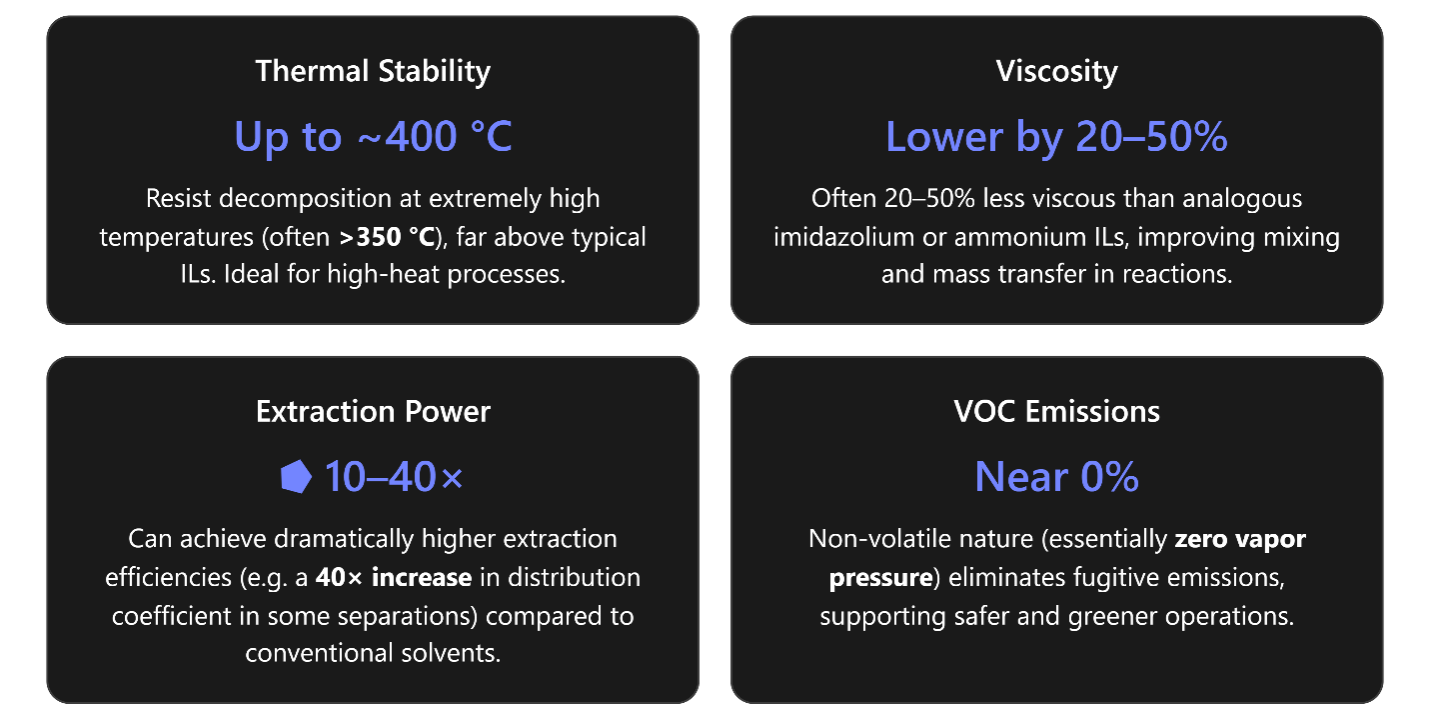
  • Thermal & chemical stability – Many withstand temperatures above 300°C.   
  • Wide electrochemical window – Ideal for batteries, supercapacitors, and electroplating.   
  • Low environmental impact – Negligible vapor pressure reduces VOC emissions.   

These features make imidazolium ionic liquids a cornerstone in green chemistry and advanced materials research. 

Key Applications 

  • Catalysis – As solvents or cocatalysts in organic synthesis.   
  • Electrochemistry – In lithiumion batteries, fuel cells, and supercapacitors.   
  • Biomass processing – Dissolving cellulose and lignin for biofuels and biopolymers.   
  • Gas capture – Selective CO₂ absorption for carbon capture technologies.   

Whether you’re in academia, government R&D, or industry, researchgrade ionic liquids from RoCo can help you achieve reproducible, highperformance results. 

Four Popular Imidazolium Ionic Liquids from RoCo®  

At RoCo, we supply highpurity imidazolium ionic liquids with Certificates of Analysis (CoA) and Safety Data Sheets (SDS). Here are four of our most indemand products: 

  • [BMIM][PF₆] – 1Butyl3methylimidazolium Hexafluorophosphate
    • A hydrophobic imidazolium ionic liquid with excellent electrochemical stability, perfect for twophase catalysis and electrochemical sensors.
    • Available in two purities, for high purity of >99%, refer to IL-0011-HP, and for ultra-high purity of >99.5%, refer to IL-0011-UP 
  • [EMIM][OAc] – 1Ethyl3methylimidazolium Acetate
    • Exceptional at dissolving cellulose, making it a goto researchgrade ionic liquid for biomass pretreatment and polymer research.
    • Available in two purities, for purity of >95%, refer to IL-0189-TG, and for high purity of >98%, refer to IL-0189-HP.   
  • [BMIM][Cl] – 1Butyl3methylimidazolium Chloride 
    • A versatile imidazolium ionic liquid for cellulose dissolution, metal extraction, and synthetic chemistry.   
    • Available in >99% purity, refer to IL-0014-HP 
  • [HMIM][Tf₂N] – 1Hexyl3methylimidazolium Bis(trifluoromethylsulfonyl)imide 
    • Hydrophobic, lowviscosity, and thermally stable — ideal for lubricants and advanced electrochemical devices.  
    • Available in two purities, for high purity of >99%, refer to IL-0098-HP, and for ultra-high purity of >99.5%, refer to IL-0098-UP.  


 Why Choose RoCo® as Your Ionic Liquid Supplier 

At RoCo, we’re committed to providing high-quality materials that meet the demands of advanced scientific and industrial applications.  

Explore our full range of imidazolium ionic liquids and buy ionic liquids online from a trusted ionic liquid supplier with a proven track record in government, industrial, and institutional deliveries.   

RoCo’s imidazolium Ionic Liquids   

Ionic liquids (ILs), a class of salts that remain liquid at or near room temperature, have garnered significant attention due to their unique properties, including low volatility, high thermal stability, and tunable viscosity. These properties make them essential in various industrial applications, including electrochemical systems, green chemistry, and catalysis.

One of the most important physical properties of ILs is viscosity, which can significantly influence their performance in processes such as reaction kinetics, energy transfer, and mass transport. This blog explores how to estimate the viscosity of ionic liquids based on their chemical structure and molecular interactions.

Viscosity: What Does It Mean for Ionic Liquids and Beyond?


When talking about liquids, viscosity is the property that tells us how thick or runny a fluid is—essentially, how easily it flows.

In the world of chemistry and industry, viscosity matters everywhere. For hydrocarbons, it affects how fuels are transported or how well lubricants perform. In organic solvents, viscosity determines how efficiently they dissolve materials or separate mixtures.

Ionic liquids, however, are a special case. Unlike traditional liquids made of neutral molecules, ionic liquids are composed entirely of charged particles (ions). This gives them a distinctively higher viscosity than most hydrocarbons or organic solvents. But that’s not a drawback—in fact, it’s part of what makes them so interesting! Ionic liquids can dissolve a wide variety of compounds, including both hydrocarbons and organic solvents, acting as a versatile medium for chemical reactions and separations.


Understanding and controlling the viscosity of ionic liquids—and how they interact with other liquids—is crucial for optimizing everything from green chemistry and energy storage to cutting-edge material synthesis. Whether you’re developing new catalysts, designing safer batteries, or creating more sustainable industrial processes, a grasp of viscosity is key to unlocking the full potential of ionic liquids.

Key Factors Influencing the Viscosity of Ionic Liquids

Viscosity in ionic liquids is influenced by the size, shape, and interaction strength of their ions. Let’s break down the main factors:

  1. Cation and Anion Structure

  • Cation Size and Shape:
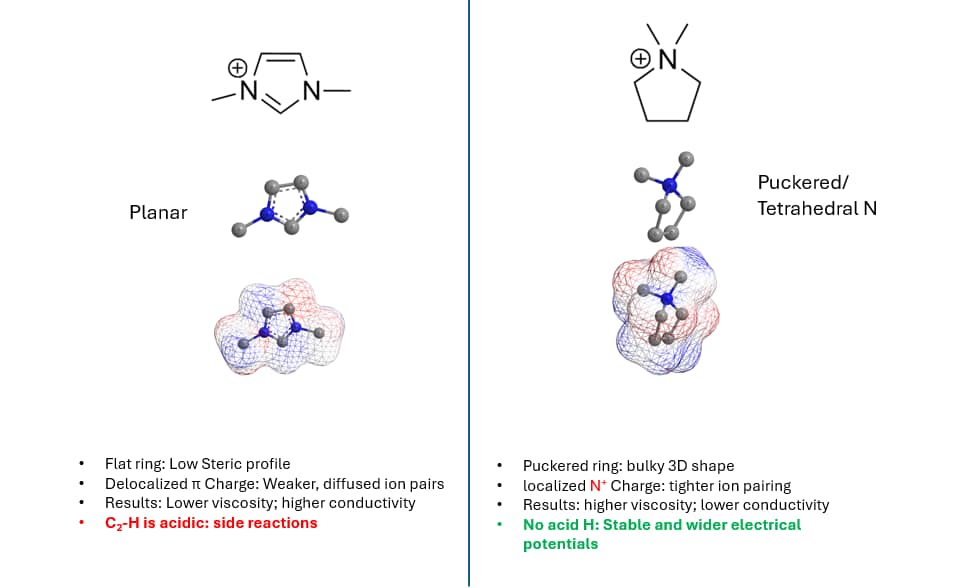
    The cation plays a significant role in determining viscosity. Larger, more bulky cations, such as phosphonium or imidazolium-based ions, typically increase viscosity because they cause stronger intermolecular interactions and steric hindrance. In contrast, smaller, more compact cations (like methylimidazolium) result in lower viscosity.
  • Anion Type:
    The anion’s size, charge density, and polarizability also affect viscosity. For instance, TFSI and BF₄ anions, being large and highly polarizable, interact more strongly with the cations, raising viscosity. Smaller, less polarizable anions like chloride (Cl) result in lower viscosity.
  1. Intermolecular Forces

Ionic liquids possess several types of intermolecular forces that contribute to their viscosity:

  • Electrostatic Interactions:
    The ionic nature of ILs means that electrostatic attractions between cations and anions play a major role in their resistance to flow. Strong ionic interactions lead to higher viscosity.
  • Hydrogen Bonding:
    Many ILs contain functional groups such as hydroxyl (-OH) or amine (-NH₂) groups, which form hydrogen bonds. These bonds increase molecular cohesion, thus raising the viscosity.
  • π-Stacking and Van der Waals Forces:
    Aromatic cations (e.g., imidazolium, pyridinium) experience π-π interactions or π-stacking, which contribute to higher viscosity due to their rigid, planar structures and additional intermolecular interactions.
  1. Temperature Sensitivity

The viscosity of ionic liquids is temperature-dependent:

  • Decrease with Temperature:
    As the temperature rises, the thermal energy disrupts intermolecular forces, leading to a decrease in viscosity. However, this decrease may be non-linear and can be less pronounced compared to conventional liquids.
  • Shear-Thinning Behavior:
    Many ILs exhibit shear-thinning behavior, meaning their viscosity decreases when subjected to high shear rates (such as in mixing or pumping). This property is valuable in industrial applications where viscosity needs to be controlled under varying flow conditions.

Estimating Viscosity from Chemical Formulas

While direct measurement of viscosity is the most reliable method, we can estimate the viscosity of ionic liquids based on their chemical structure and molecular interactions. Here’s a general approach:

  1. Molecular Size and Weight
  • Larger Ions:
    Ionic liquids with larger ions (e.g., bulky phosphonium-based cations) tend to have higher viscosity due to increased steric hindrance and stronger intermolecular interactions.
  • Small Ions:
    ILs with smaller, more compact ions (e.g., methylimidazolium with TFSI) typically exhibit lower viscosity due to weaker ion-pairing.
  1. Functional Groups and Interactions

  • Hydrogen Bonding:
    If an IL contains functional groups capable of hydrogen bonding (e.g., hydroxyl (-OH), amine (-NH₂)), you can expect higher viscosity. The strength and number of these bonds contribute to increased intermolecular cohesion.
  • Ion Pairing:
    The degree of ion pairing also affects viscosity. Strongly paired ions (due to electrostatic forces) result in higher viscosity.

Measuring Viscosity in Ionic Liquids

Viscosity in ionic liquids can be measured using various techniques:

  • Capillary Viscometers:
    For kinematic viscosity, capillary viscometers measure the time taken for a liquid to flow through a narrow tube. This method is widely used for low-viscosity samples.
  • Rotational Viscometers:
    These instruments measure dynamic viscosity by applying shear stress and measuring the resulting resistance. This method is ideal for highly viscous or shear-thinning fluids.
  • Falling Ball Viscometers:
    A ball is dropped through the IL, and the time it takes to fall is used to calculate viscosity. This method is most effective for low-viscosity, transparent liquids.
  • Microfluidic Rheometers:
    Used for high-precision measurements, these devices offer fine control over shear rates and temperature, making them suitable for advanced manufacturing and ionic liquid development.

Applications of Ionic Liquids with Tailored Viscosity

The ability to tune the viscosity of ionic liquids makes them ideal for numerous applications, such as:

  • Electrochemical Devices:
    Ionic liquids are used in batteries, capacitors, and fuel cells, where low viscosity helps enhance ionic conductivity and energy storage capacity.
  • Catalysis:
    ILs are popular solvents in catalytic reactions, where viscosity influences reaction rates and selectivity. Tunable viscosity enables precise control over these reactions.
  • Green Chemistry:
    Used in solvent-free processes, ILs with controlled viscosity provide environmentally friendly alternatives to volatile organic compounds (VOCs) in chemical manufacturing.
  • Lubrication:
    ILs with high viscosity can be used as advanced lubricants, offering superior performance in high-temperature, high-stress environments.

Conclusion: The Role of Viscosity in Ionic Liquids for Industrial Applications

Viscosity is one of the most critical properties of ionic liquids that influence their performance in chemical processes, energy systems, and material synthesis. Understanding how to estimate and control viscosity based on molecular structure and intermolecular interactions allows for the precise design of ionic liquids suited for specific applications.

By leveraging the tunable viscosity of ILs, industries can improve reaction efficiency, enhance safety, and foster the development of sustainable manufacturing technologies.

In a bold move toward sustainable innovation, RoCo® has announced the spin-off of Singularity Polymers, a company poised to transform the materials industry with its cutting-edge ionic liquid technology. This strategic decision, coupled with recent funding from Carnegie Mellon University’s Tartan Entrepreneurs Fund, marks a significant milestone in advancing high-performance, eco-friendly materials for a range of industrial applications.

The Genesis of Singularity Polymers

RoCo® is a leader in harnessing ionic liquids and ionic polymer additives, and has long been at the forefront of sustainable manufacturing and chemical processing. The spin-off of Singularity Polymers is a natural evolution of RoCo®’s mission to drive industry transformation through innovative material solutions. By focusing on a single material with exceptional barrier properties, Singularity Polymers aims to address critical challenges in packaging, energy, and industrial sectors, where durability and sustainability are paramount.
The technology at the heart of Singularity Polymers stems from RoCo®’s proprietary ionic liquid innovations. Ionic liquids, known for their low volatility and high stability, enable the creation of materials with superior performance characteristics. This spin-off allows Singularity Polymers to specialize in developing a single, high-barrier material that outperforms traditional alternatives, offering improved resistance to gases, moisture, and other environmental factors.

Leadership Driving the Vision

Singularity Polymers is led by a formidable team of experts, combining academic rigor, industry experience, and entrepreneurial acumen. The leadership includes:

  • Bill Belias, a packaging industry veteran and the CEO of Singularity Polymers. Mr. Belias brings extensive experience, having developed SoFresh, a notable innovation in the packaging sector. His leadership is critical in steering the company toward market success.
  • Dr. Hunaid Nulwala, a pioneer in ionic liquid technology, whose research has been instrumental in developing the core innovations behind Singularity Polymers’ high-barrier material.
  • Prof. Carlos Diaz, an esteemed academic whose expertise in material science and engineering bolsters the company’s technical foundation.
    This trio’s combined expertise ensures that Singularity Polymers is well-equipped to translate cutting-edge research into practical, industry-changing solutions.

Tartan Entrepreneurs Fund: Fueling Innovation

The spin-off has been bolstered by funding from the Tartan Entrepreneurs Fund, an initiative by Carnegie Mellon University’s Swartz Center for Entrepreneurship. This financial support underscores the potential of Singularity Polymers to disrupt the materials market. The Tartan Entrepreneurs Fund is designed to empower early-stage ventures with the resources needed to scale, and its investment in Singularity Polymers reflects confidence in the company’s vision and technological prowess.
While specific details about the funding amount remain undisclosed, the backing from such a prestigious institution highlights the commercial and environmental promise of Singularity Polymers’ technology. This investment will likely accelerate research and development, enabling the company to refine its material and explore new applications.

Technology: A Game-Changer in Barrier Properties

At the core of Singularity Polymers’ innovation is a single material engineered with high barrier properties, achieved through the integration of RoCo®’s ionic liquid technology. Unlike conventional materials that rely on complex layering or additives to achieve barrier performance, Singularity Polymers’ solution is elegantly simple yet highly effective. The material’s enhanced barrier properties make it ideal for applications such as:

  • Sustainable Packaging: Reducing food waste and extending shelf life by preventing oxygen and moisture ingress.
  • Energy Storage: Improving the longevity and efficiency of batteries and fuel cells.
  • Industrial Applications: Enhancing the durability of coatings and membranes in harsh environments.
  • The use of ionic liquids allows Singularity Polymers to create a material that is not only high-performing but also aligns with the growing demand for sustainable solutions. Ionic liquids are recognized as a cornerstone of green chemistry, offering a low environmental footprint compared to traditional solvents and additives.

Why This Matters: A Critical Perspective

The spin-off of Singularity Polymers raises important questions about the future of material science and sustainability. While the promise of a single, high-barrier material is exciting, it’s worth examining the challenges ahead. Scaling ionic liquid-based technologies can be costly, and regulatory hurdles may slow adoption in certain industries. Additionally, the environmental benefits of ionic liquids depend on their lifecycle management—how will Singularity Polymers ensure responsible production and disposal?
Moreover, the reliance on a single material could limit flexibility in addressing diverse market needs. How will Singularity Polymers balance specialization with adaptability? The answers to these questions will determine the long-term success of this venture.

Looking Ahead

The spin-off of Singularity Polymers represents a significant step forward for RoCo® and the broader materials industry. With a stellar leadership team, the support of the Tartan Entrepreneurs Fund, and RoCo®’s proven expertise in ionic liquid technology, Singularity Polymers is well-positioned to deliver a material that redefines performance and sustainability standards.
As the company moves forward, it will need to navigate the complexities of market adoption, regulatory compliance, and environmental responsibility. If successful, Singularity Polymers could set a new benchmark for what’s possible in material science, proving that innovation and sustainability can go hand in hand.
Learn more about how ionic liquids can innovate materials science by visiting RoCo. To learn about the Tartan Entrepreneurs Fund, check out CMU’s Swartz Center for Entrepreneurship, and to learn more about Singularity please visit www.Singularity Polymers.com

How Ionic Liquids Are Revolutionizing Sustainability in the U.S. Market

Ionic liquids are gaining traction as versatile, eco-friendly alternatives to conventional solvents. Their unique properties—low volatility, high thermal stability, and tunable solubility—make them ideal for applications in energy storage, catalysis, pharmaceuticals, and advanced manufacturing. As the U.S. market embraces sustainability and technological advancements, ionic liquids are poised to play a crucial role in shaping the future of multiple industries.

Market Growth and Trends

The U.S. ionic liquids market was valued at $882 million in 2023 and is projected to exceed $2.8 billion by 2032. This growth is driven by increasing demand for green chemistry solutions, stringent enviro nmental regulations, and advancements in renewable energy technologies. Companies are investing in research to enhance ionic liquid formulations for carbon capture, battery technology, and industrial separations.

Key Applications in the U.S.

  • Energy Storage & Batteries – Ionic liquids are being integrated into next-generation lithium-sulfur and solid-state batteries, improving efficiency and longevity.
  • Pharmaceuticals & Biotechnology – Their ability to dissolve complex organic compounds makes them valuable in drug formulation and bio-refineries.
  • Catalysis & Chemical Processing – Used as solvents in carbon capture and sequestration (CCS), ionic liquids help industries reduce greenhouse gas emissions.
  • Electronics & Advanced Manufacturing – Their high ionic conductivity supports applications in fuel cells, electric motors, and semiconductor processing.
  • Lubricants & Anti-Wear Coatings – Ionic liquids are being explored as high-performance lubricants due to their excellent thermal stability and low volatility, reducing friction in industrial machinery and aerospace components.
  • Gas Separation & Carbon Capture – Their tunable solubility makes them effective in CO₂ capture and gas separation technologies, helping industries meet environmental regulations.
  • Electroplating & Corrosion Protection – Used in electrodeposition processes, ionic liquids enable efficient metal plating while minimizing hazardous waste.
  • Biomass Processing & Biofuels – Ionic liquids facilitate efficient lignocellulose breakdown, improving biofuel production from agricultural waste.
  • Water Treatment & Desalination – Their ability to selectively dissolve contaminants makes them valuable in wastewater treatment and desalination processes.
  • Recycling & Waste Recovery – Ionic liquids are being used to dissolve and separate valuable metals from electronic waste, improving material recovery and reducing environmental impact.
  • Rare Earth Element Extraction – Ionic liquids enhance selective separation and recovery of rare earth elements, offering a more sustainable alternative to traditional solvent-based extraction methods.

Ionic Liquids Classes by RoCo® 

RoCo® is a leading Supplier and manufacturer of high-performance ionic liquids for industrial and research applications. Some of their notable class include:

– Imidazolium-Based Ionic Liquids – Widely used in solvents, catalysis, and electrochemical applications due to their tunable properties and high ionic conductivity.

Pyrrolidinium Ionic Liquids – Preferred for battery electrolytes, fuel cells, and supercapacitors due to their remarkable electrochemical stability.

Piperidinium Ionic Liquids – Known for their chemical and thermal stability, making them ideal for energy storage and high-performance lubricants.

Ammonium Ionic Liquids – Cost-effective and versatile, used in catalysis, electroplating, and green chemistry.

Phosphonium Ionic Liquids – Provide excellent thermal and oxidative stability, making them ideal for heat transfer fluids, lubricants, and polymer processing.

Sulfonium Ionic Liquids – Highly resistant to oxidation and ideal for high-temperature uses, green solvents, and battery electrolytes. Their structure can be tailored for specific industrial needs.

Triazolium Ionic Liquids – With a five-membered triazole ring, these offer high electrochemical and thermal stability. They are used in catalysis, organic synthesis, and advanced electrochemical devices due to their customizable properties.

Challenges and Future Outlook

Despite their advantages, high production costs and regulatory barriers remain hurdles for widespread adoption. However, ongoing research and federal funding are driving innovation, making ionic liquids more economically viable. As industries prioritize sustainability and efficiency, the U.S. market is expected to see rapid advancements in ionic liquid applications.
Ionic liquids are revolutionizing multiple sectors in the U.S., offering sustainable solutions for energy, healthcare, and industrial processes. With continued investment and technological breakthroughs, they are set to become a cornerstone of green chemistry and advanced manufacturing.

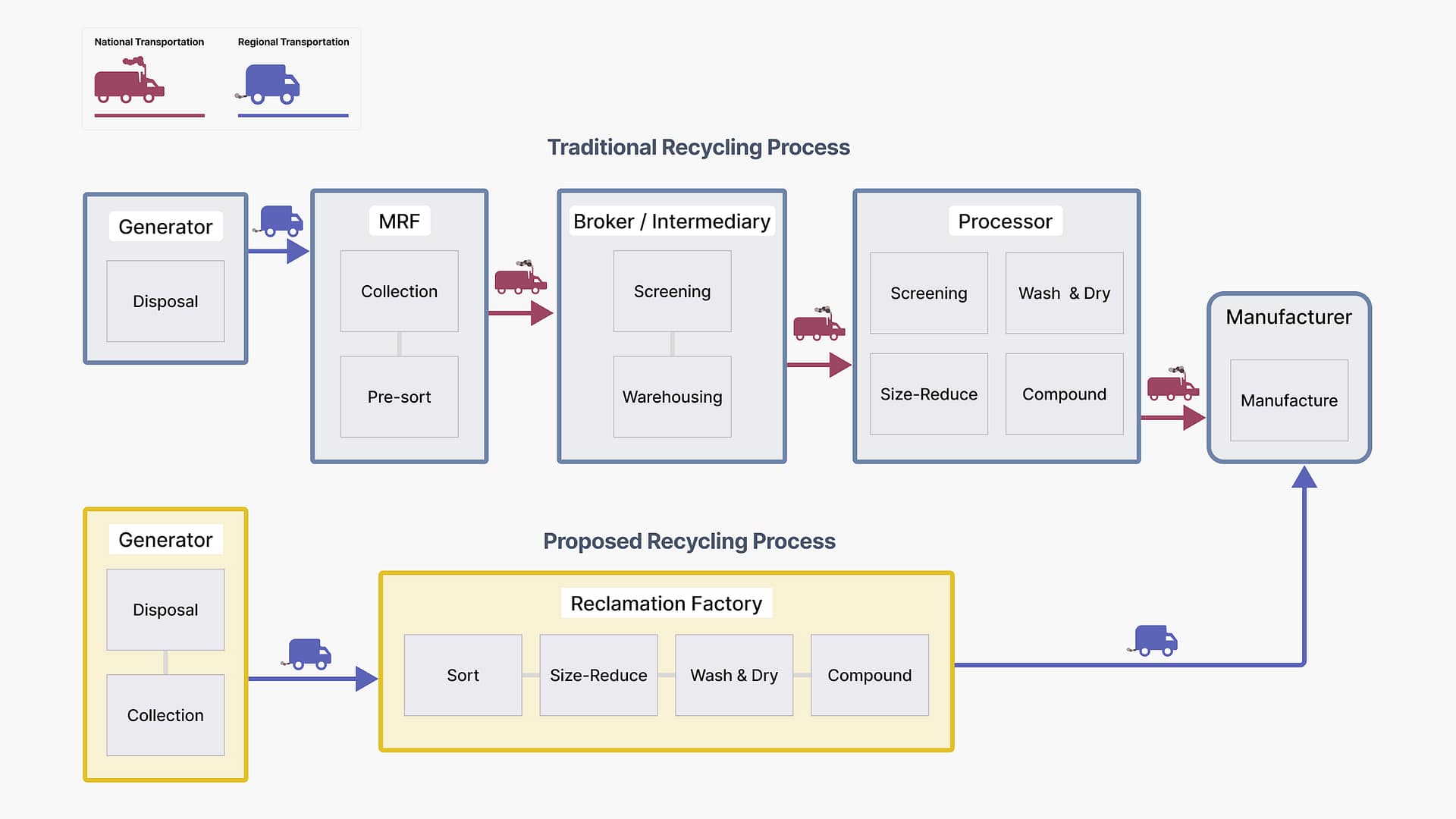
It’s no secret that plastic waste is a massive problem in the United States. Each year, we generate over 40 million tons of plastic waste—yet, according to a 2022 Greenpeace report, less than 6% of it is ever recycled into something new. Meanwhile, the demand for post-consumer recycled (PCR) plastic is skyrocketing, with forecasts predicting it will double by 2032. If the demand exists, why aren’t we recycling more?

Overburdened Infrastructure – Underutilized Resources

One of the biggest barriers to solving the plastic problem isn’t just awareness or willingness—it’s infrastructure. Despite the clear need, large-scale and advanced recycling infrastructure projects are often delayed, underfunded, or altogether cancelled (as was recently the case for Erie’s International Recycling Group’s advanced materials recovery facility, or MRF). Smaller and more rural MRFs (which represent over two-thirds of America’s materials recovery infrastructure according to industry group, Resource Recycling) overwhelmingly sort manually hand-picking recyclables-and operate at less than 60% capacity on average. Ultimately, the value of recycled plastic is outweighed by the (rising) costs of sorting, labor, transportation, brokering, and processing.
On the subject of processing, even if your plastic waste is properly sorted and baled, our processing infrastructure is too overburdened to keep up. Our domestic PCR plastic processing capacity—to grind, clean, and re-extrude that waste into valuable manufacturing source material—is estimated to have the capacity to process only 20% of post-consumer PET, 10% of HDPE, and negligible quantities of other resins.
Transportation is a particular burden in this supply chain. A 2019 paper published by the International Journal of Engineering Sciences and Research Technology that evaluated recycling stream process flows estimated that in order to recycle 1.4 tons of polypropylene in the United States, we emit around 10 tons of CO2 just from transporting materials between facilities. The CO2 emissions reduction of recycling PP is still over three times lower than the production of virgin material, but the rising costs of trucking make these efforts economically untenable.
Recycling plastic, particularly post-consumer waste, is a deeply complex challenge that currently relies on intricate supply chains with many stakeholders. This cross-sectoral coordination is rarely streamlined, and the cost of participation almost universally outweighs the return, especially in America’s many small and rural communities.

New Paradigms in Plastic Recycling

But there is a smarter, more efficient path for reclaiming plastic: right-sized, automated, modular, and vertically-integrated plastic sorting and processing systems.
These systems offer a radical shift in how we think about recycling infrastructure—one that favors distributed processing and manufacturing and places an emphasis on generating valuable outputs at the point of generation. By installing smaller (but more frequent), intelligent recycling and processing units closer to where waste is generated (think commercial centers, manufacturing facilities, or neighborhoods), and by focusing on modular solutions that can adapt to those waste streams, we can significantly reduce the burdens of transportation and labor. Simultaneously, we can increase the consistency and value of PCR plastic through AI-driven sensing and capturing waste streams before the effects of entropy set in.

structureAdvanced sorting, tracing, and processing technologies can enable this new economy for plastic waste. Focusing on plastic waste-streams and leveraging artificial intelligence allows lower-cost sensing technologies to autonomously sort waste streams more efficiently. Consolidating sorting and processing into single facilities eliminates costly and wasteful intermediary steps and enables tracing from waste to product, with obvious benefits to manufacturers that struggle to find high-quality PCR plastic compatible with their current manufacturing processes.

A Greener Future

By shifting from a bloated, centralized model to a scaled and focused network of intelligent micro-recyclers, we unlock new business models that are not only more sustainable but also financially viable. Ultimately, the future of plastic recycling won’t be won with more trucks or bigger factories—it’ll be won with smarter, leaner, and more data-driven technology.

Author Bio

Georgia Crowther is a robotics engineer with experience as a founding member of several high-tech startups and is the founder and CEO of Reclamation Factory. Her personal experience struggling to find diversion streams for post-industrial plastic waste and sourcing recycled plastic for advanced manufacturing has driven her passion for finding recycling solutions. Georgia has a Master’s in Robotic Systems Development from Carnegie Mellon University and a Bachelor’s in Mechanical Engineering from Cornell University.

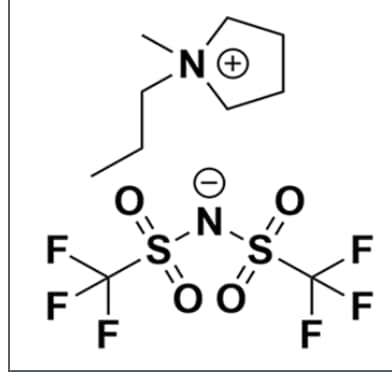
The need for innovative solutions in energy storage and sustainable chemistry, ionic liquids are emerging as the go-to materials. One of our hottest products is 1-Methyl-1-propylpyrrolidinium bis(trifluoromethylsulfonyl)imide ([C3C1Pyrr][TFSI]), an ionic liquid that stands out for its exceptional properties and versatile applications.

Pioneering Research and Innovations

Recent studies have highlighted the potential of [C3C1Pyrr][TFSI] in energy storage. Research published in Batteries showcases how binary mixtures of this ionic liquid with lithium salts enhance ionic conductivity while maintaining safety and stability at varying temperatures. These breakthroughs underscore its role in paving the way for next-generation lithium batteries with superior performance metrics. (Batteries 2024, 10, 319. https://doi.org/10.3390/batteries10090319)

Moreover, the paper titled “Pyrrolidinium-Based Ionic Liquids as Advanced Non-Aqueous Electrolytes for Safer Next Generation Lithium Batteries” provides a comprehensive analysis of [C3C1Pyrr][TFSI] and its mixtures with lithium salts.

Key findings include:

  • Enhanced Thermal and Electrochemical Stability: The ionic liquid offers a wide liquid range, reducing risks such as crystallization at low temperatures and flammability, which are common with conventional electrolytes.
  • Ionic Conductivity: Mixtures with lithium bis(trifluoromethylsulfonyl)imide ([Li][TFSI]) exhibit ionic conductivities ranging from 0.4 S/m to 0.1 S/m at room temperature, making them highly efficient for lithium-ion battery applications.
  • Amorphous Behavior: The addition of lithium salts increased the amorphous nature of the mixtures, which improves ionic mobility and storage capabilities.

These research findings place [C3C1Pyrr][TFSI] as a promising candidate for enhancing the safety and performance of lithium-ion batteries, with potential applications in other areas of green technology.


The Unique Properties and Applications of [C3C1Pyrr][TFSI]

As the demand for advanced energy storage and sustainable chemical processes grows, ionic liquids are gaining recognition for their transformative potential. Among these, 1-Methyl-1-propylpyrrolidinium bis(trifluoromethylsulfonyl)imide, abbreviated as [C3C1Pyrr][TFSI], stands out due to its remarkable properties and versatile applications.

[C3C1Pyrr][TFSI] is distinguished by its high ionic conductivity, low volatility, and exceptional thermal and electrochemical stability. Unlike conventional solvents, it resists decomposition even under high-stress or elevated temperature environments. These features, combined with its inherent safety profile, position it as a front-runner for next-generation technologies. Whether utilized as a high-performance electrolyte in batteries or as an eco-conscious replacement for traditional solvents, this ionic liquid demonstrates an unparalleled capacity to enhance both efficiency and safety in demanding industrial settings.

This ionic liquid consists entirely of ions and remains liquid at temperatures below 100°C. Its structure features a pyrrolidinium cation and a bis(trifluoromethylsulfonyl)imide anion, providing it with a wide electrochemical window and stable chemical and thermal properties. Due to these traits, [C3C1Pyrr][TFSI] is considered for several applications, such as:

  • Advanced Lithium-Ion Batteries: The non-flammable composition and broad electrochemical stability window of [C3C1Pyrr][TFSI] address safety aspects in lithium-ion batteries by providing an alternative to conventional organic electrolytes.
  • High-Performance Capacitors: The compound’s ability to function across a wide temperature range supports its use in energy-efficient and durable supercapacitors.
  • Solvent Replacement: Its low volatility and high ionic conductivity enable [C3C1Pyrr][TFSI] to be used as a more environmentally considerate solvent in chemical synthesis and materials processing.
  • Industrial Processes: Its ability to dissolve a wide range of organic, inorganic, and polymeric substances makes it invaluable in specialized chemical industries.
  • Sustainable Technologies: The ionic liquid contributes to greener manufacturing processes by replacing volatile organic solvents, thereby reducing environmental impact.

Key Benefits

  1. Thermal Stability: [C3C1Pyrr][TFSI] remains stable at elevated temperatures, ensuring reliability in high-demand applications.
  2. Non-Flammability: Its inherent safety reduces the risk of combustion, making it suitable for safer battery technologies.
  3. Customizable Properties: The ionic liquid can be tuned to meet specific needs by adjusting its formulation or blending with compatible materials.

Why Choose RoCo for [C3C1Pyrr][TFSI]?

At RoCo, we’re committed to providing high-quality materials that meet the demands of advanced scientific and industrial applications. Our [C3C1Pyrr][TFSI] stands out for its high purity and consistent performance, backed by rigorous quality control and cutting-edge research.

Join the Innovation Revolution

The future of energy and material science is here. Whether you’re developing safer batteries, exploring sustainable solvents, or driving advancements in green chemistry, 1-Methyl-1-propylpyrrolidinium bis(trifluoromethylsulfonyl)imide is your key to success. Explore its possibilities and redefine the boundaries of innovation with RoCo.


Lithium-ion batteries are foundational to the global transition toward electrification, powering everything from smartphones and electric vehicles (EVs) to grid-scale energy storage systems. However, safety and longevity remain persistent challenges; one key limitation is the performance of the solid electrolyte interphase (SEI) layer. At RoCo®, we focus on ionic liquids and advanced electrolyte additives and materials engineered to address these critical pain points.

The SEI Layer: A Crucial Performance Limiter: The SEI layer, typically 10–50 nm thick, forms during the first few charge cycles and is a protective barrier on the anode. A well-formed SEI must exhibit low ionic resistivity (<10 Ω·cm²), elasticity to withstand anode volume changes, and chemical stability to prevent electrolyte decomposition. Failures in SEI performance are linked to lithium dendrite growth, capacity fades (10–20% over 500 cycles), and thermal runaway beyond 100°C.

Advanced Additive Chemistry: RoCo® has developed an ionic liquid SEI additive, a vinyl triazolium-based electro-polymerizable ionic liquid. It offers an electrochemical window of 0–5 V and a bulk ionic conductivity of ~10⁻³ S/cm. It is non-flammable and forms a high-quality SEI layer with no detectable flash point, addressing multiple safety and performance concerns. When combined with vinylene carbonate (VC), which polymerizes at low voltages, the resulting SEI shows a 30% impedance reduction measured via cyclic voltammetry (CV) over 10 cycles at a 1 mV/s scan rate. (See Triazolium Products).

As shown in Figure 1, the experimental data collected under the following conditions—a 2-hour soak at open-circuit voltage (OCV), lithium wire used as both reference and counter electrodes, and a graphite working electrode scanned at 1 mV/s over 10 cycles—demonstrate the superior performance of RoCo®‘s TzVmO2FS. Compared to vinylene carbonate (VC) and fluorinated VC (VC-F), the vinyl triazolium system exhibited lower reductive current and narrower hysteresis in cyclic voltammetry, indicating more efficient and stable SEI formation.

Broader Electrochemical Solutions RoCo® offers a suite of electrolyte and additive solutions:

  • Ionic liquid-based electrolytes (e.g., imidazolium, pyrrolidinium salts) deliver 10–15 mS/cm conductivity at 25°C and stability up to 4.5 V coupled with traditional carbonate solvents.
  • Solid-state battery polymers, including Polydiallyldimethylpyrrolidinium-based systems, provide >20 MPa tensile strength and high ionic transport available in FSI and TFSI anions.
  • High-purity lithium salts (>99.9%) such as LiPF₆, Li-FSI, and Li-TFSI enhance SEI stability and system energy density (target >300 Wh/kg).

Multifunctional Role of Additives RoCo® has designed multifunctional additives that serve essential roles in commercial and research battery systems:

  1. SEI Formers: Reduce initial capacity loss (<5%) and increase Coulombic efficiency (>99.5%).
  2. Cathode Protection Agents: Prevent oxidative decomposition at high voltages.
  3. Salt Stabilizers: Suppress decomposition of LiPF₆ into reactive phosphine/fluorine gases.
  4. Fire Retardants & Overcharge Protectors: Improve thermal safety by incorporating various ionic liquids into electrolyte chemistry.
  5. Lithium Deposition Modifiers: Promote uniform Li plating.
  6. Corrosion Inhibitors: Extend metal component life.
  7. Solvation Enhancers: Increase ion mobility.
  8. Wetting Agents/Viscosity Modifiers: Improve electrolyte penetration.

Conclusion RoCo®’s cutting-edge electrolyte additives and materials significantly improve battery performance, safety, and longevity. Through innovations like vinyl triazolium and complementary solutions, we support the transition to safer, higher-performance lithium-ion and solid-state batteries. Contact RoCo® for custom materials and technical consultation to optimize your next-generation energy storage applications.


As the CEO of RoCo, a small research company focused on ionic liquids of just four dedicated individuals, this holiday season offers the perfect moment to pause and reflect on a year that has been as challenging as it has been rewarding. When 2024 began, I truly believed that RoCo might not survive. Broken equipment, financial uncertainty, and personal health struggles loomed large. But today, as I look back, I see a year defined by resilience, growth, and the incredible power of relationships.

Navigating a World in Crisis

This year wasn’t just shaped by internal challenges; the world around us felt heavy. The ongoing war in Ukraine and the devastating conflict in Gaza reminded us daily of the fragility of peace and the interconnectedness of global systems. These crises reverberated through the supply chain, created economic pressures, and made us acutely aware of our own vulnerabilities. Yet, they also underscored the importance of our work. As a company rooted in innovation and sustainability, we feel a deep responsibility to contribute solutions to global challenges, no matter how small our role may seem.

The Challenges of January

Closer to home, we faced uncertainty. Equipment failures and mounting financial pressures cast a long shadow, and I wasn’t sure we’d make it through the first quarter. Yet, even in those dark times, our team’s unwavering commitment was a light. Ken Medlin, our laboratory manager, exemplified this spirit. His steadfast belief in RoCo’s mission—and in me—gave me the strength to keep going. Leadership isn’t about never feeling doubt; it’s about showing up even when doubt is overwhelming.

A Pivotal February

February brought a lifeline: a major sale of ionic liquids. This single event gave us the breathing room to push forward. Without it, I’m not sure we would have survived. That sale wasn’t just about numbers; it was a validation of the hard work and trust that defines RoCo.

Turning Points and Triumphs

As the year progressed, optimism—a trait both my greatest strength and occasional fault—proved invaluable. We secured two NASA subaward contracts for the development of groundbreaking ionic liquid technologies. Our sales tripled year over year, bolstered by strong relationships with major corporations and our trusted partner, IoLiTec GmbH.

We also welcomed Clarissa Clifton, a talented Carnegie Mellon graduate, to our team, strengthening our capabilities in polymer recycling. Her fresh perspective and expertise brought new energy to our work. Additionally, we maximized our laboratory space, expanding into new services and securing funding from the Mattress Recycling Council to explore innovative recycling processes.

The Power of Relationships

If there’s a single theme that defines 2024, it’s this: relationships matter. Our partnerships with Rochester Institute of Technology and Prof. Carlos Diaz have been instrumental in our success. Collaborating with Faraday and being part of the USRIA cohort opened new doors, reaffirming that strong connections are the foundation of any journey. Whether it’s with team members, partners, or customers, these bonds make every struggle and success worthwhile.

Investing in the Future

With the momentum we built, we invested in new equipment, including state-of-the-art Differential Scanning Calorimetry and Thermogravimetric Analysis units. These tools will allow us to continue pushing the boundaries of innovation, particularly in carbon composites using our ionic liquid technologies.

Looking Ahead

When 2024 began, I feared for the future—not just for RoCo, but for the world. The conflicts in Ukraine and Gaza, economic uncertainty, and global polarization weighed heavily on my mind. Yet, through it all, I’ve found hope. These challenges have taught me that even in the darkest moments, there is light to be found in the strength of a committed team, the support of valued partners, and the resilience of an idea worth fighting for.

To everyone who has been part of our journey—our team, partners, and customers—thank you. As we step into 2025, I look forward to continuing this incredible journey together.

What challenges have you overcome this year? Who has been your greatest support?

Happy Holidays to all,
Batool Nulwala-CEO RoCo

Ionic liquids have transformative potential across industries, particularly in green solvents and liquid electrolytes development. Our advances in polymer composites and ionic liquids have been lately focused on developing sustainable polymer recycling solutions.

First, ionic liquids are not liquids in the traditional sense. Yes, they flow, but something that flows doesn’t make it a liquid. The name ionic liquids has caught on, so we will stick with it. However, I want to clarify that they should not be considered, treated or thought of as liquids. Ionic liquids are highly ordered, flowing solids. I want to clarify this before jumping into applications. They are just the coolest class of materials there are.

Figure: 1: As the chain length of the ionic liquid increases specific structures are formed mainly due to segregation.

Di Cola’s work on 1-alkyl-3-methyl imidazolium Cl salts shows nanometer-scale structures, as observed using X-ray diffraction. The size of these structures depends on the length of the alkyl chains. This supports molecular simulations that suggest alkyl chains tend to group and then likely form clusters of ionic moieties, resulting in nanostructures. The size of these structures changes with temperature. However, above its glass transition temperature Tg , the behavior becomes very complex. These findings offer insights into room-temperature ionic liquids’ unique physical and chemical properties.

It is well known that ionic interactions are orders of magnitude stronger than Van der Waals interactions and it gives insight into the very low vapor pressure of these materials. That said as these are very strong interactions, we can design systems that improve materials’ properties overall and open a new frontier in material science. At RoCo, we enjoy working with ionic liquids; the structural flexibility of these materials excites us.

Indeed, ionic liquids reshape industrial processes by offering non-toxic, sustainable, and highly effective solutions for persistent corrosion prevention and polymer recycling challenges. Dr. Hunaid Nulwala and Ms. Nulwala recently shared their technical work about RoCo® and LumiShield at the Rochester Institute of Technology. The polymer work was carried out in collaboration with Prof. Carlos Diaz, with funding from the US Department of Energy, to create the next generation of compatibilizers. These ionic liquid solvents have transformative potential across industries, particularly in green solvents and liquid electrolytes development.

Our advances in polymer composites and ionic liquids structure support sustainable polymer recycling solutions.

Collaboration with the Rochester Institute of Technology has been pivotal for our entrepreneurship initiatives to commercialize sustainable solutions. Lets now look at the problem of polymeric blends.

The Problem: Polymers Don’t Mix — An Entropy and Enthalpy Perspective

The immiscibility of most polymers is a balance play between entropy and enthalpy contributions, as described by the Gibbs free energy of mixing:

∆𝐺𝑚𝑖𝑥 = ∆𝐻𝑚𝑖𝑥 − 𝑇∆𝑆𝑚𝑖𝑥
Where:
∆𝐺𝑚𝑖𝑥: Gibbs free energy of mixing
∆𝐻𝑚𝑖𝑥 : Enthalpy of mixing
∆𝑆𝑚𝑖𝑥: Entropy of mixing
𝑇: Temperature

For polymers to mix, they must be negative. However, in most cases, this condition is not met due to the following factors:

1. Low Entropy of Mixing ∆𝑆𝑚𝑖𝑥:

Entropy is the measure of randomness or disorder in a system. For small
molecules, mixing significantly increases entropy because the molecules can distribute freely among one another. This is not the case with polymers. Polymers are bound together so they are difficult to mix. Couple that with the size and the volume they occupy. What this means is that they have few configurations to mix. Hence, there is a very low Entropy of mixing.

Basically, the entropy gained from mixing polymers is negligible due to their size and restricted configurational freedom.

2. Positive Enthalpy of Mixing ∆𝐻𝑚𝑖𝑥

Interactions between polymer molecules when they mix. For most polymers ∆𝐻𝑚𝑖𝑥 The enthalpy of mixing represents the energy change associated with the is positive due to Incompatible Intermolecular Interactions, as most polymers have weak interactions (Van der Waals forces) between their chains. These weaker interactions do not compensate for the energy required to break the stronger self- interactions and the solvent bonds within each polymer type. The bottom line is that both Entropy and Enthalpy favor phase separation.
The combination of a negligible entropy gains and a positive enthalpy of mixing leads to a situation where is positive. This makes the mixing of polymers thermodynamically unfavorable, and they remain immiscible.

Even when we look at similar molecules, such as High-Density Polyethylene (HDPE) and Polypropylene (PP), they are not miscible with each other. Overcoming immiscibility is a multi-billion-dollar opportunity.

Implications in Industry

The immiscibility of polymers is a critical challenge in composites, recycling and materials science. In recycling, it limits the ability to reuse mixed polymer waste. One way is to make the interfaces ionic, thus improving the use of ionic bonds and phase segregation to make polymeric blends that provide significant value.

Polymer Recycling with Reactive Ionic Liquids: The ionic liquids developed at RoCo have improved mixed PP/HDPE systems, overcoming both tensile and impact properties. These ionic liquids have transformative potential across industries, particularly in green solvents and liquid electrolytes development. Our advances in polymer composites and ionic liquid’s structure support sustainable polymer recycling solutions.

To build on the theme of ionic liquid as a compatibilizer, RoCo technology works by introducing ionic interaction at the interface of the phase separation and also modifies the polymers.

Figure 2: Introducing Ionic moieties at the interface significantly improves the phase separation strength.

Our initial results show that using reactive ionic liquid improves both tensile strength and properties. Our study used 0.5 wt.% ionic liquid, which improved the impact and tensile properties.

improvement in both impact and tensile properties

Figure 3: We see improvement in both impact and tensile properties.

Conclusion:

Ionic liquids offer significant advantages as a compatibilizer. However, this technology is nascent, and RoCo will keep working on this to take it to the market. These ionic liquid solvents have transformative potential across industries, particularly in green solvents and liquid electrolytes development.